
Last updated November 21, 2026
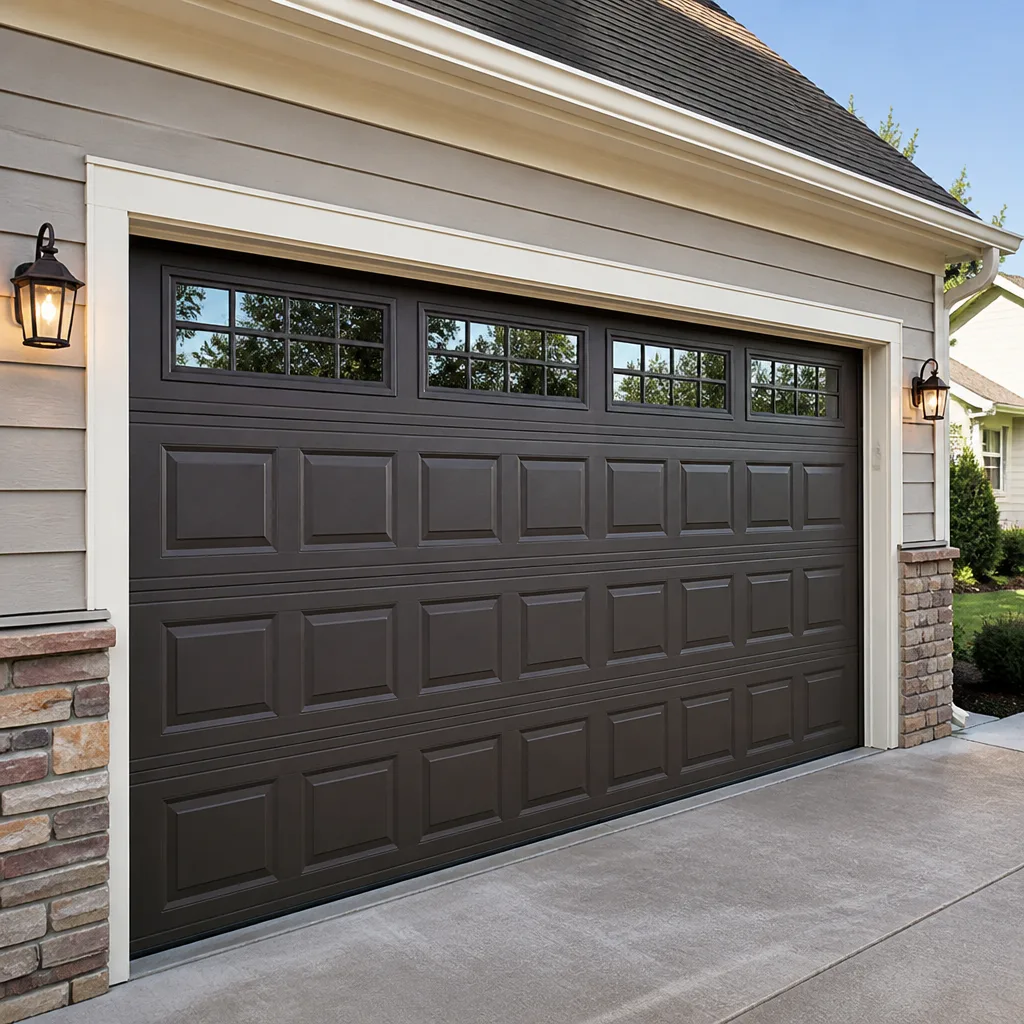 Raised-panel steel
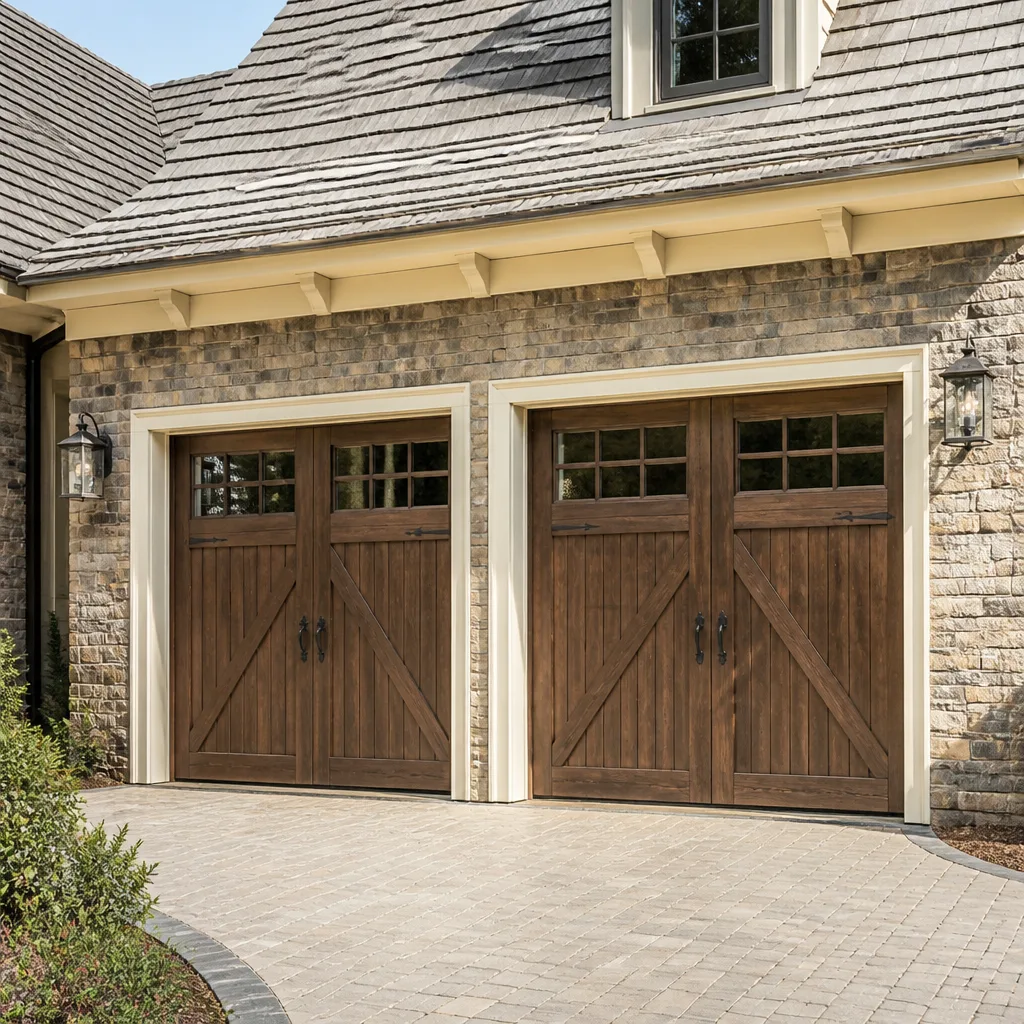 Carriage house
 Modern flush
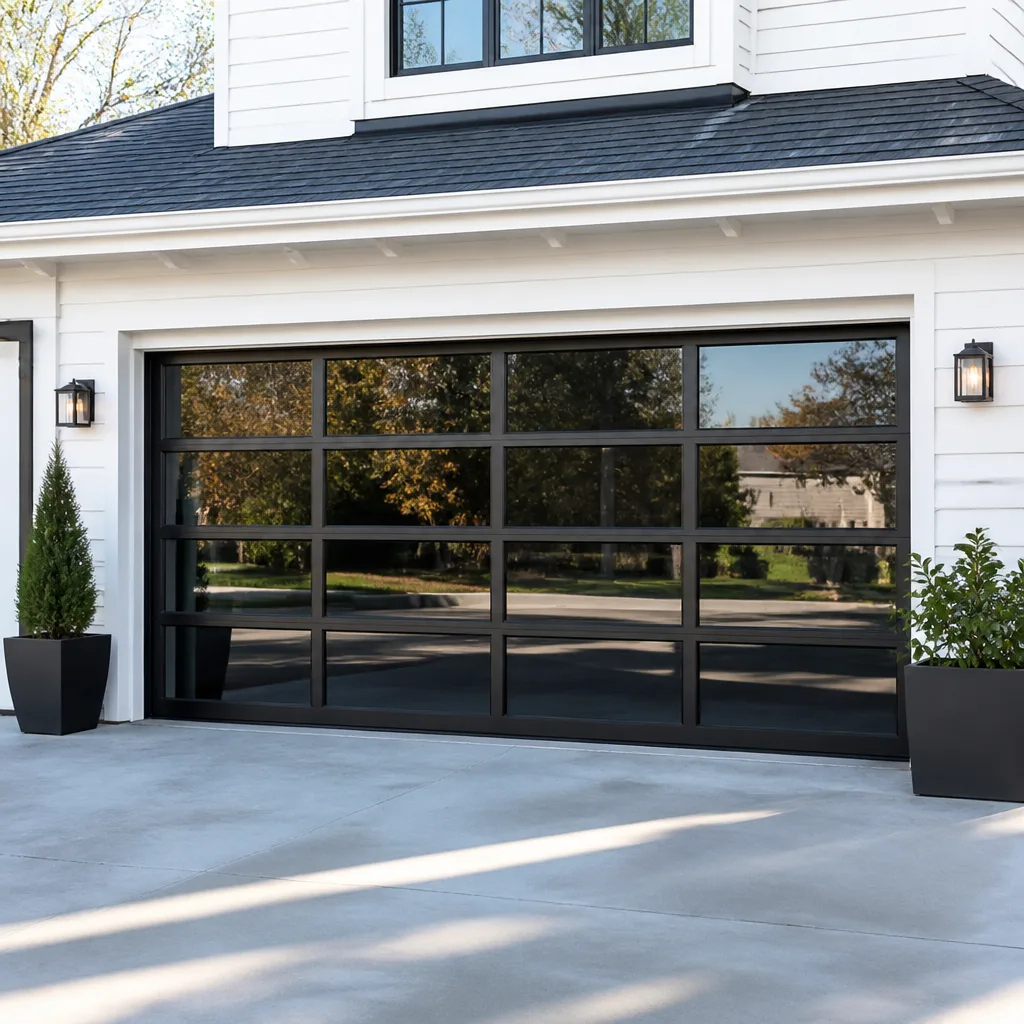 Full-view glass
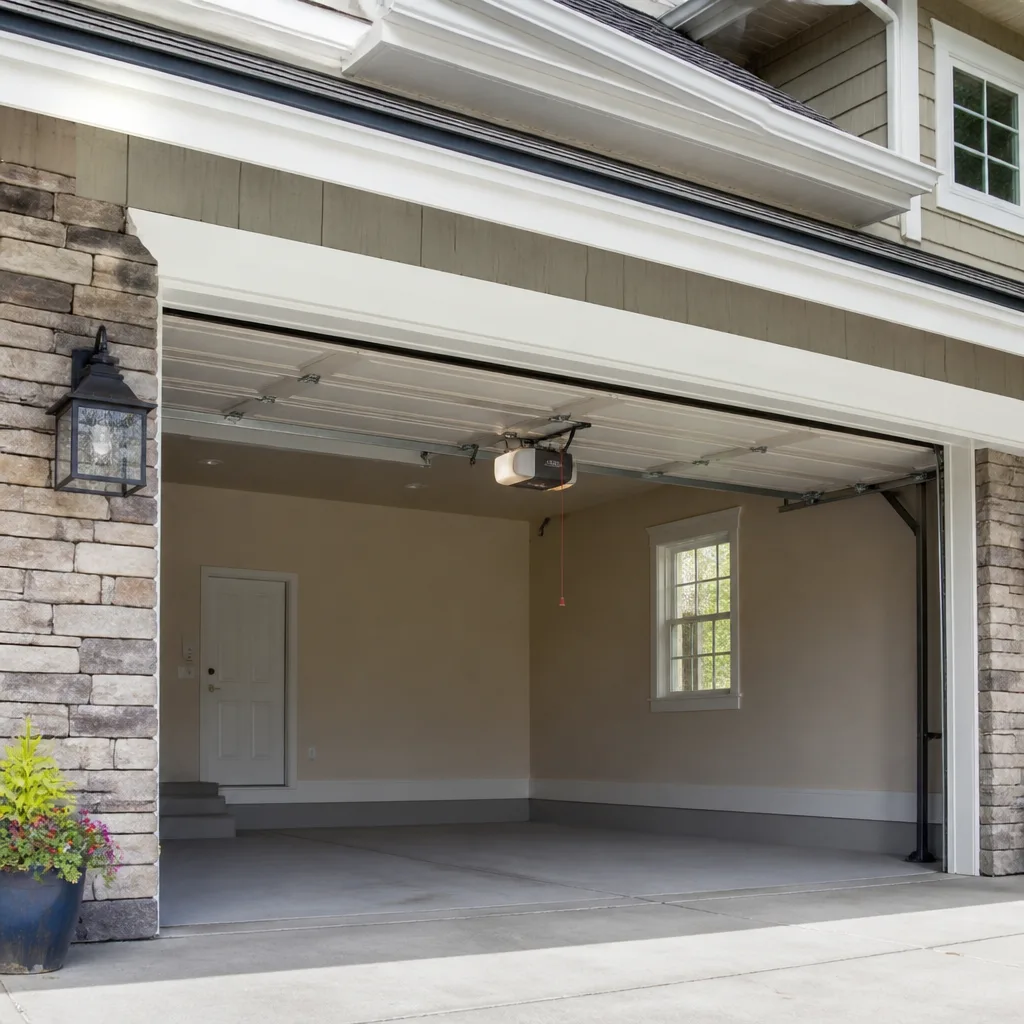 LiftMaster openers
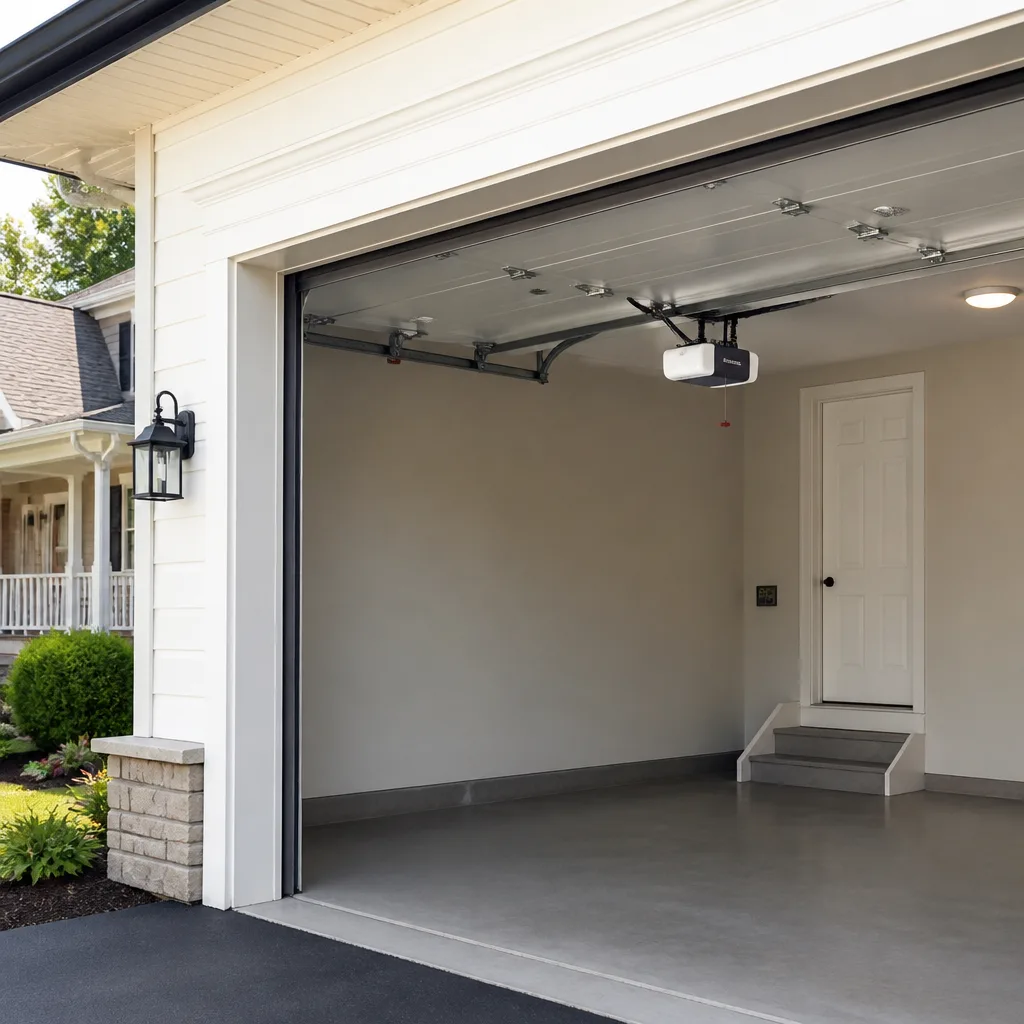 Chamberlain openers
Full 25-point door and opener safety check with every visit - springs, cables, rollers, tracks, and your LiftMaster or Chamberlain opener included
You get a price before we start. It does not change when the pro arrives.
Get your free estimateGarage Door Repair Maintenance Checklist for Sugar Land Homeowners
Most garage door maintenance checklists floating around the internet were written for Minnesota, not Texas. They obsess over cold-weather lubrication and forget the forces that actually wear out a door here: heat, humidity, and the daily grind of a system that doubles as your front door. A torsion spring rated for 10,000 cycles will still degrade faster in Sugar Land’s summer heat, because metal fatigue accelerates once temperatures push past 95°F. Most guides never mention temperature as a spring variable at all.
This checklist is built around how doors actually fail in Sugar Land. You’ll learn the monthly corrosion checks that matter in humid Gulf Coast air, why the lubricant in your garage might be doing more harm than good, what a stressed spring looks like before it snaps, and how to keep a service log that pays off when you sell. It’s a working document, not a brochure.
Quick Answer
A garage door maintenance checklist for Sugar Land should focus on three things above all: monthly corrosion inspection at the bottom seal, roller axles, and cable ends; a heat-specific spring inspection looking for discoloration and micro-cracking; and weatherstripping checks timed to the spring and fall rainy seasons. Lubricate with a silicone-based product, not WD-40, and keep a dated log of every task. Everything else in this guide builds on those three priorities.
Styles & brands we work with
- Raised-panel steel
- Carriage house
- Modern flush
- Full-view glass
- LiftMaster openers
- Chamberlain openers
Table of Contents
- Why Sugar Land Doors Fail Differently
- The Monthly Inspection Routine
- Corrosion Checks That Matter in Gulf Humidity
- Lubrication: Why WD-40 Works Against You
- Heat-Stressed Springs: What to Look For
- Weatherstripping and the Rainy Season
- Opener and Safety Reverse Testing
- The Seasonal Calendar for Sugar Land
- Building a Service Log for Resale
Why Sugar Land Doors Fail Differently
Sugar Land sits in a humid subtropical climate. That single fact reshapes every maintenance priority. Northern guides assume your biggest enemy is a frozen hinge or a door that won’t close because ice has built up in the track. That’s never your problem here. Your problem is a door that quietly rusts from the inside out while the outside looks fine.
Three local factors drive most of the failures we see across Sugar Land neighborhoods like Riverstone, Telfair, and First Colony:
- Heat cycling. A garage in Sugar Land can hit 120°F on an August afternoon even when it’s 98°F outside. Metal expands and contracts with that daily swing, stressing springs, hinges, and track alignment over thousands of cycles.
- Humidity. Average relative humidity in the Houston metro area stays high most of the year. That moisture attacks bare steel in the bottom seal brackets, roller axles, and cable ends first, because those are the spots manufacturers leave unpainted.
- Rain events. Sugar Land gets intense spring and fall storms. Water driven sideways into a failing bottom seal wicks into the door’s interior and starts corrosion you won’t see for months.
The good news: all three problems are visible early if you know where to look. A ten-minute monthly check catches most of them before they turn into a snapped spring or a door that won’t close.
The Monthly Inspection Routine
Set aside ten minutes on the first weekend of every month. That’s the whole routine. What matters is consistency, not how long you spend. Here’s the sequence we recommend to every Sugar Land homeowner, in the order it makes sense to walk through it:
- Look at the door from inside, with the door closed. Check the springs, cables, and hinges for anything that looks different from last month.
- Open and close the door once. Listen. A door that squeaks, grinds, or pops is telling you something. A smooth door is quiet.
- Test the balance. Disconnect the opener (pull the red release cord) and lift the door halfway by hand. It should stay there. If it drops or rises on its own, the springs are out of balance.
- Check the bottom seal. Run your hand along the rubber gasket at the bottom of the door. Look for cracks, stiffness, or gaps at the corners.
- Inspect the roller axles and cable ends. These are the uncoated steel parts. Look for orange or white powder, which is the first sign of rust.
- Test the safety reverse. Put a 2×4 flat on the ground under the door and close it. The door should reverse on contact.
- Log it. Write the date and anything you noticed in your service log (more on that below).
If any step fails, don’t keep opening and closing the door hoping it fixes itself. Springs, cables, and openers all fail more expensively when ignored. If the balance test fails or you see a visible cable problem, have a professional look at it. Our garage door repair team handles these checks as part of any service call.
Corrosion Checks That Matter in Gulf Humidity
Corrosion is the silent failure mode in Sugar Land. It rarely causes a door to break suddenly. Instead, it seizes a roller, binds a hinge, or weakens a cable over months until something gives. The parts that rust first are always the bare steel components that manufacturers don’t paint, because painting them would interfere with how they move.
These are the four check points worth inspecting every month:
- Bottom seal brackets. The metal brackets that hold the bottom gasket are low-grade steel and sit closest to the wet concrete. Rust here is the most common corrosion finding in Sugar Land garages.
- Roller axles. The small shafts the rollers ride on. Rust here causes rollers to stop spinning, which means the door drags across them instead of rolling. That drag loads the opener and the springs.
- Cable ends. Where the lift cable terminates at the bottom bracket. This is a critical safety point. Rust weakens the cable at its highest-stress location.
- Hinge pins. The pins between hinge plates seize with rust, making the door noisy and uneven as it opens.
What you’re looking for: orange or brown discoloration, white powdery residue, or a rough texture on parts that should be smooth. Clean light surface rust with a stiff brush and apply a coat of white lithium grease or silicone spray to slow it down. Heavy rust on a cable end is not a cleaning job. It’s a replacement job, and it’s a safety matter.
Lubrication: Why WD-40 Works Against You
WD-40 is a solvent and water displacer, not a lubricant. Spray it on a garage door hinge in Sugar Land and it does its job: it displaces water and makes things feel smooth for a few days. Then it evaporates. Worse, it strips away the factory grease that was packed into the hinge and roller bearings, leaving bare metal exposed to the same humidity that caused the problem in the first place. In a humid climate, regular WD-40 use on garage door hardware is counterproductive.
Use these instead:
- Silicone-based spray lubricant for tracks, torsion springs, and hinges. It stays put, doesn’t attract dust, and won’t gum up in heat.
- White lithium grease for the opener rail and the roller bearings. It handles the temperature swings inside a Sugar Land garage better than a thin oil will.
- Never lubricate the tracks with grease. Use a silicone spray. Grease collects grit and turns into an abrasive paste.
- Never spray lubricant on the bottom seal, weatherstripping, or the photo-eye sensors. The rubber will degrade, and the sensors need to stay clean and dry.
A single can of silicone spray and a tube of white lithium grease will last most homeowners a year. Apply lubricant to hinges, springs, and the opener rail twice a year (spring and fall), and to tracks and roller bearings once a month after you clean them with a dry cloth. If your opener is a LiftMaster or Chamberlain with myQ, don’t spray anything near the unit itself. The electronics don’t need lubrication; they need airflow.
Heat-Stressed Springs: What to Look For
Springs are the number one failure point in any garage door system, and Sugar Land heat accelerates the process. A torsion spring is rated by cycles, not by years. The industry standard rating assumes moderate temperatures, but a spring that lives in a 120°F garage is worked harder every single cycle. Metal fatigue builds faster. The spring doesn’t last as long as its label suggests, and it doesn’t warn you loudly. It warns you quietly.
Here’s what to look for before a full snap:
- Discoloration. A heat-stressed spring fades from clean black to a dull gray or dusty brown. This is oxidation accelerated by temperature.
- Micro-cracking. Hairline cracks or pits in the coil surface, best seen with a strong flashlight at a low angle. Once you see these, the spring is near the end of its life.
- Gaps in the coil. A healthy torsion spring has tightly wound coils. Visible gaps or an uneven coil suggests it’s starting to unwind, which means it’s losing tension.
- A door that feels heavier than it used to. If you have to help the door up by hand more than you did a year ago, the springs are tired.
- A loud bang from the garage. That’s the sound of a torsion spring breaking. It’s sudden, and it means the door shouldn’t be opened until a professional looks at it.
Springs are the most dangerous component on your garage door. They’re under hundreds of pounds of stored tension. If you suspect a spring problem, don’t touch it. Our garage door spring repair technicians handle tension and extension springs safely and know exactly what stress failure looks like in Sugar Land heat. Spring replacement done right, done safely is the only version of this repair that makes sense.
Weatherstripping and the Rainy Season
Most checklists tell you to inspect weatherstripping “twice a year.” In Sugar Land, that’s both too often and not often enough. The timing matters. Your bottom seal and perimeter weatherstripping face the most stress right before and during the spring and fall rainy seasons, when a failing seal lets water into the garage.
Here’s what we mean by the seasonal timing:
- Before the spring rains (late February to early March): Inspect the bottom seal and all four corners. Look for gaps, stiffness, or separation from the door.
- Before the fall storms (September): Repeat the inspection after the summer heat has baked the rubber for months.
- After any major storm: Walk the perimeter. Wind-driven rain finds every crack.
A healthy bottom seal is supple, sits flush against the concrete, and compresses when you press it with your thumb. If it’s hard, cracked, or leaves a visible gap between the door and the floor, it needs replacing. The same goes for the perimeter weatherstripping around the door frame. This is a relatively inexpensive fix, but the water damage it prevents is not. Water inside a Sugar Land garage gets into stored items, seeps under baseboards, and starts corrosion on every steel part of the door system that isn’t painted.
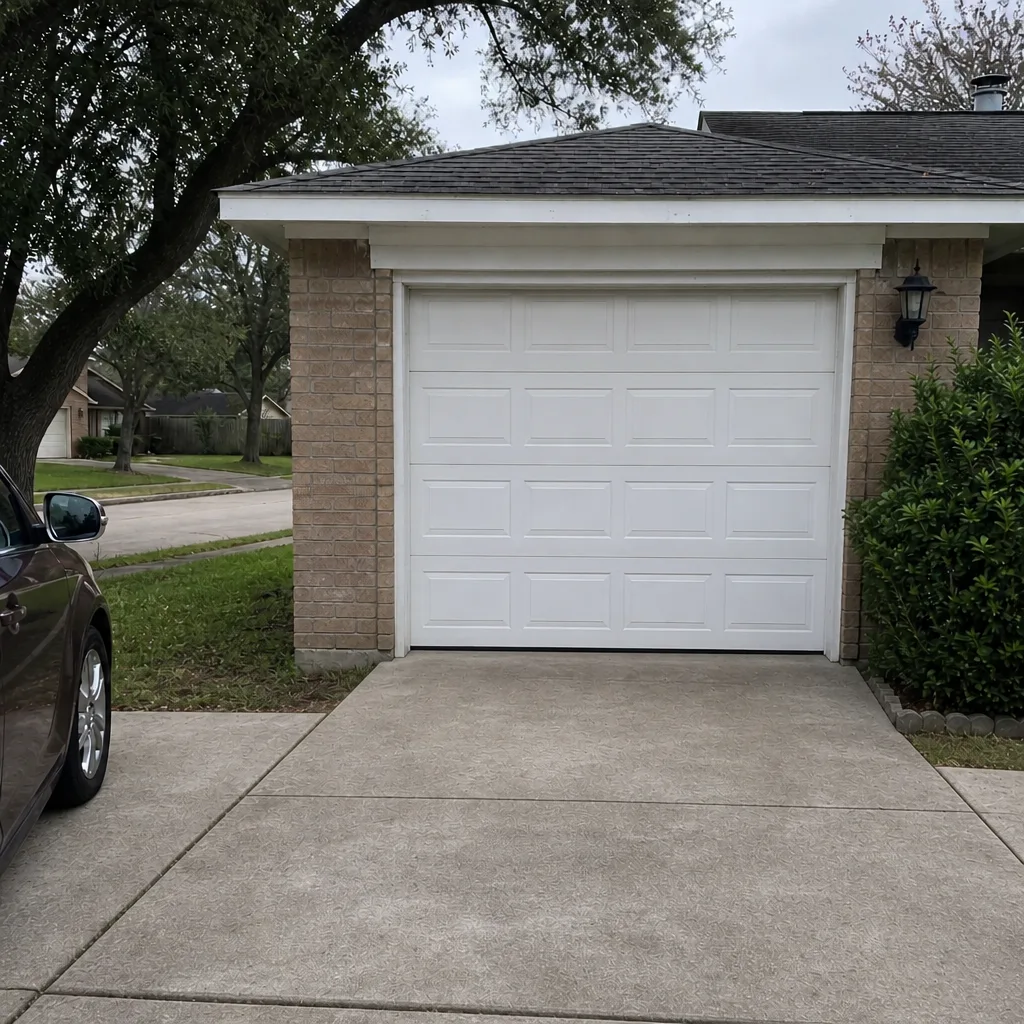
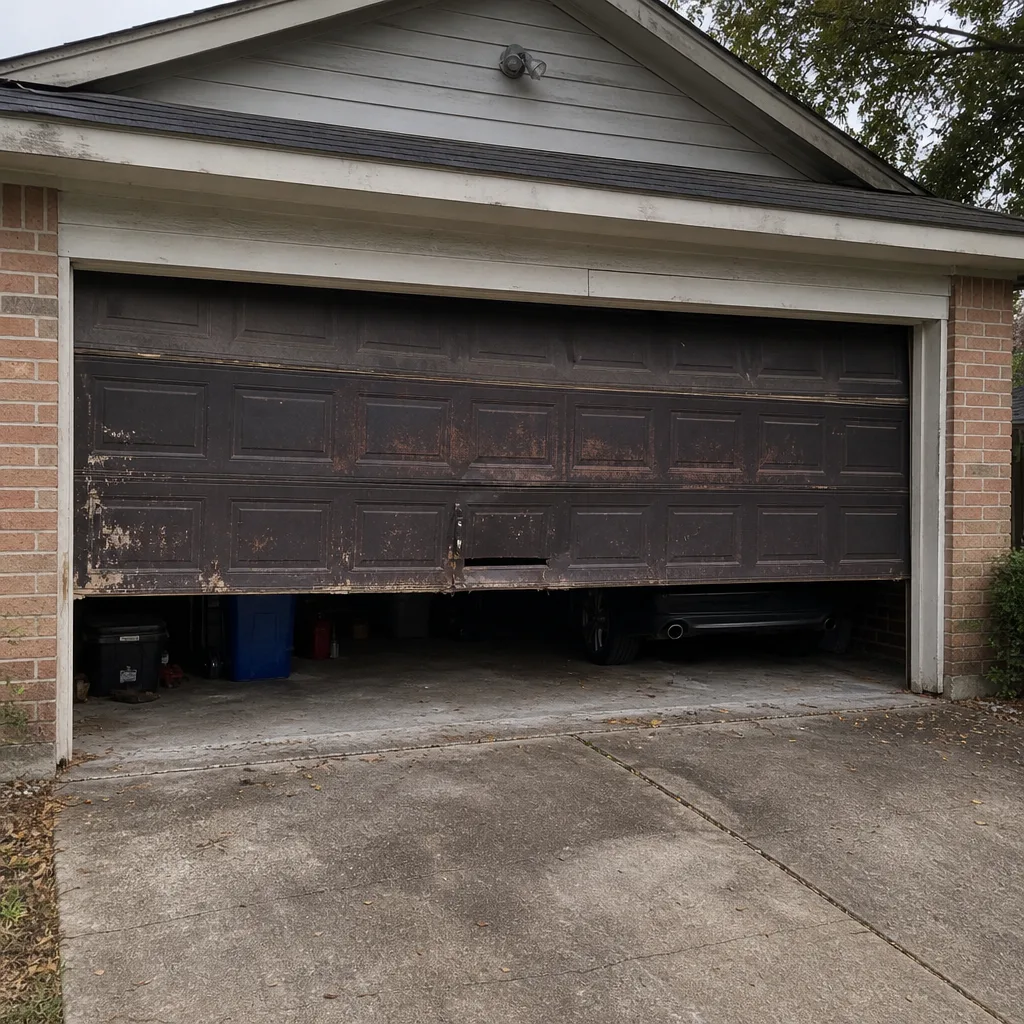
See the difference
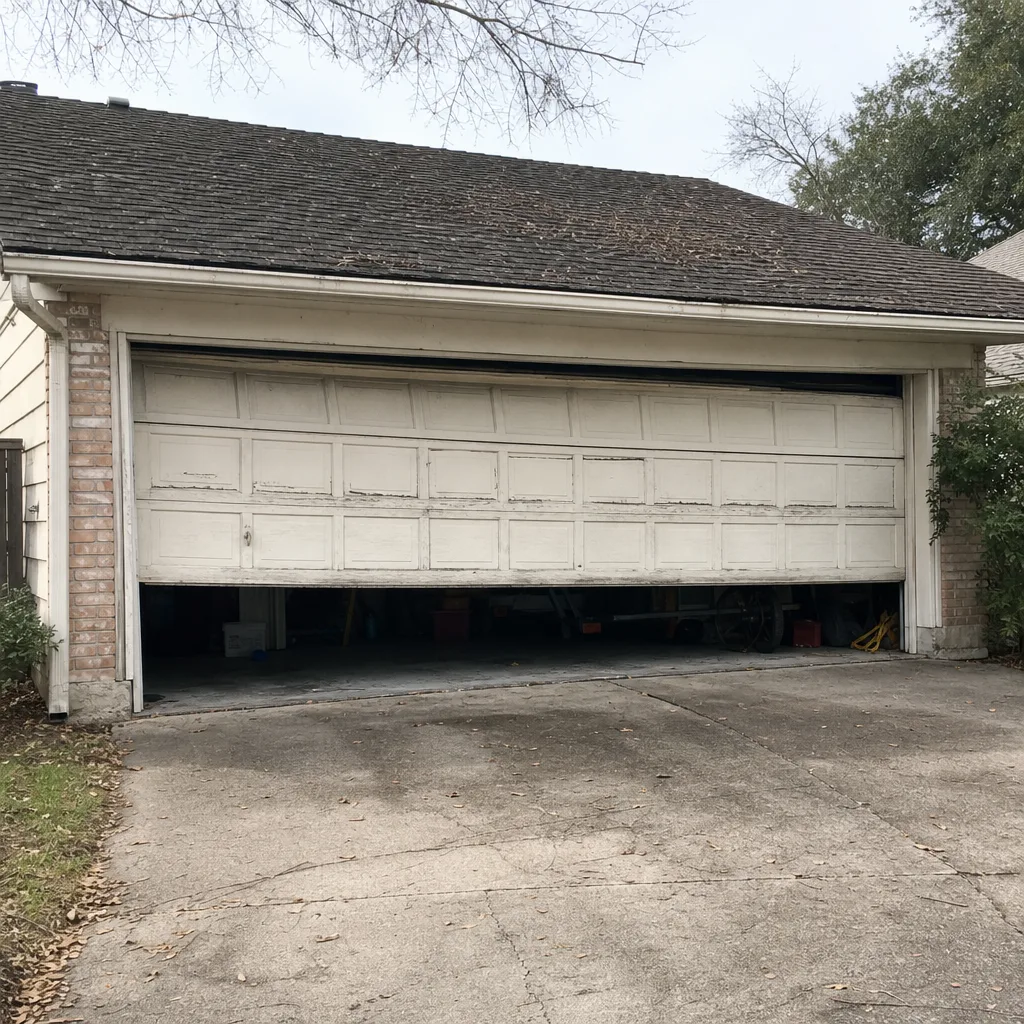 Before
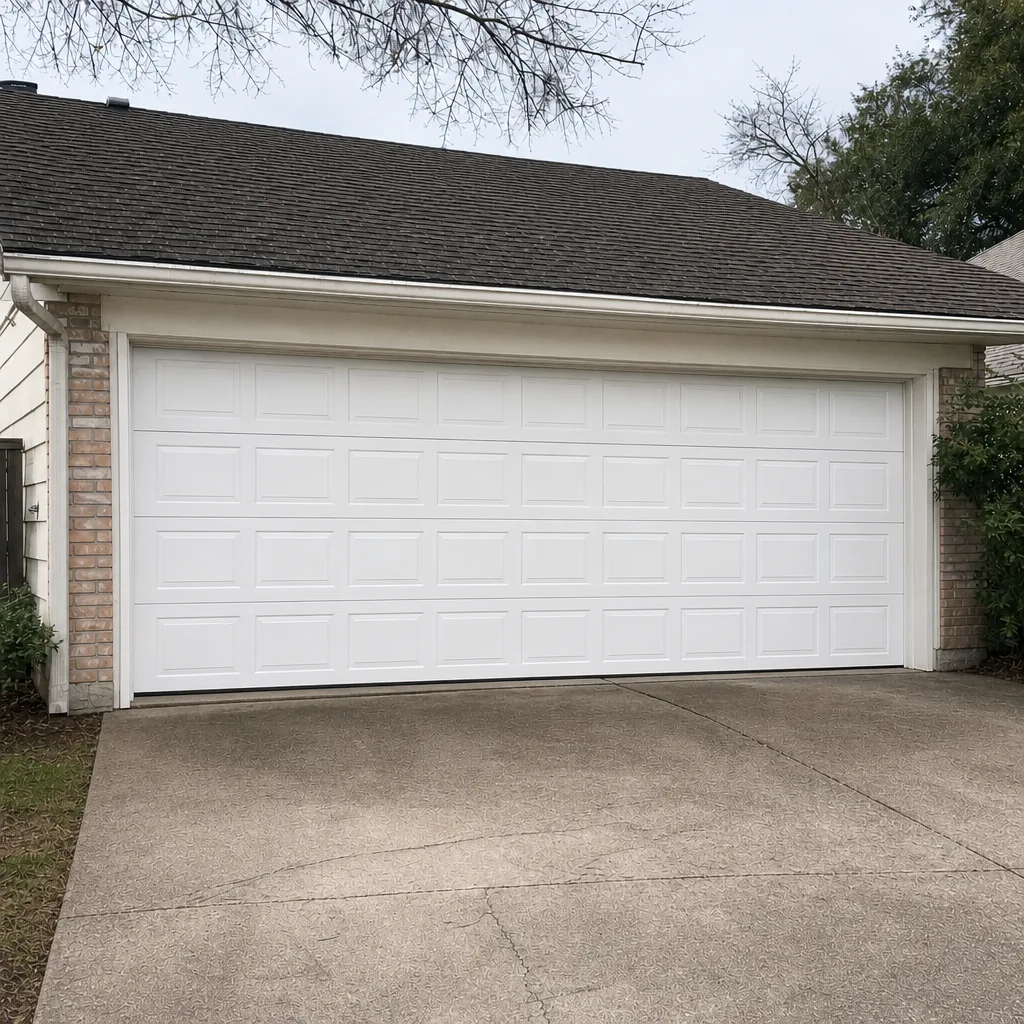 After
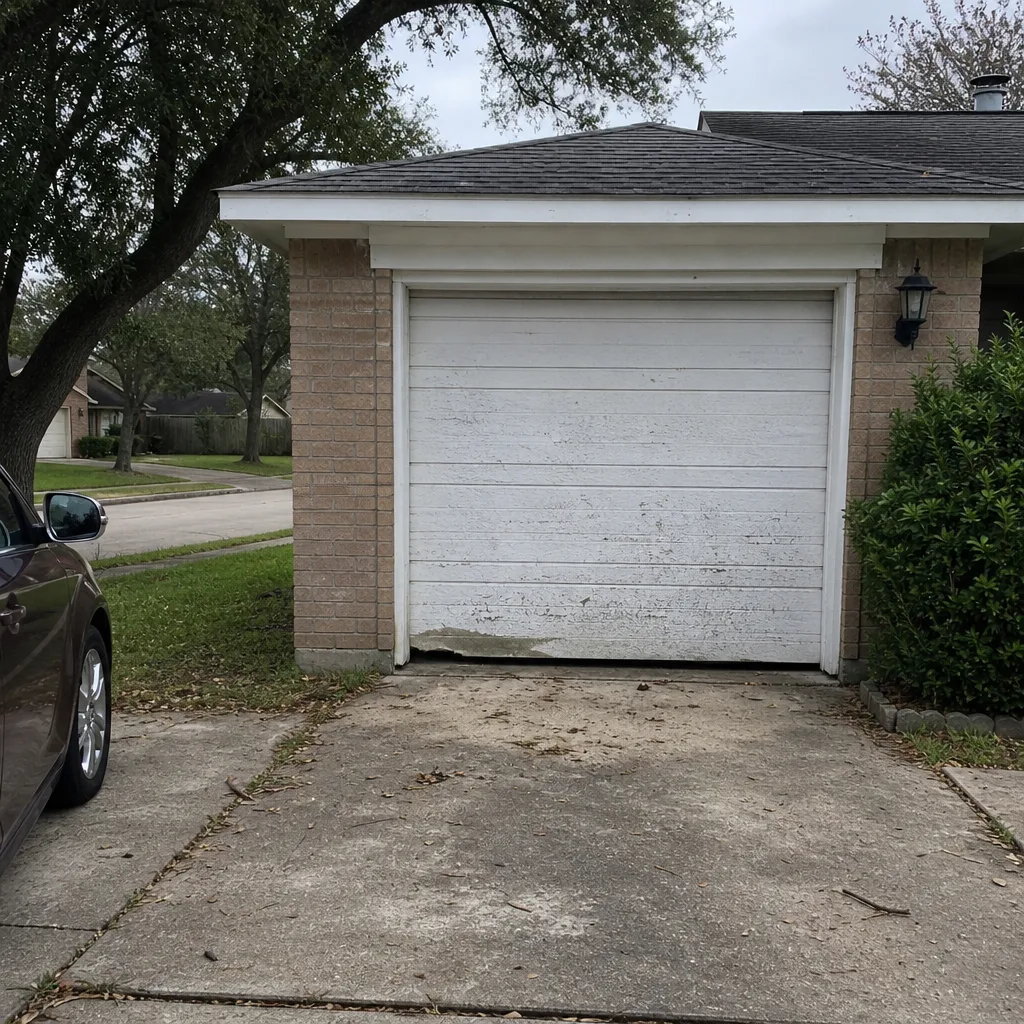 Before
 After
 Before
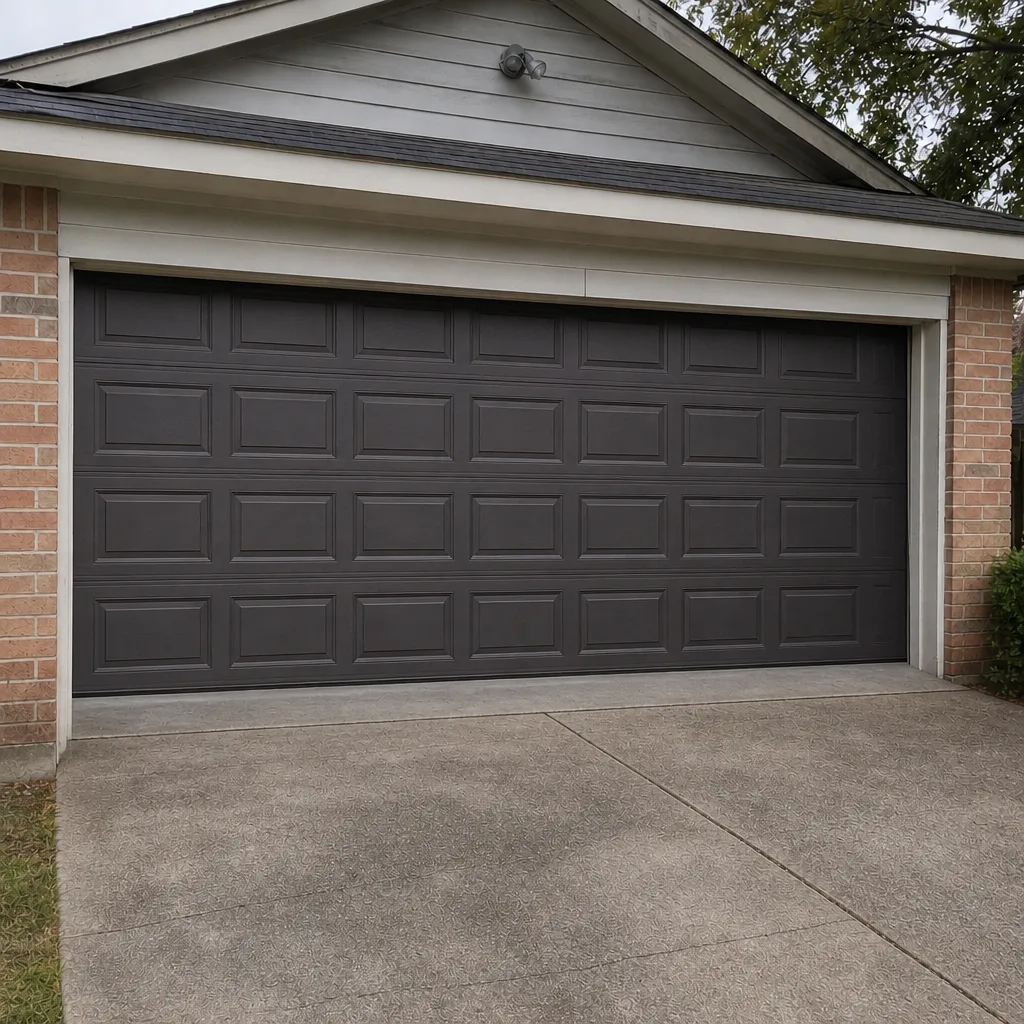 After
Opener and Safety Reverse Testing
Your opener works harder in Sugar Land than you might think. A door that’s slightly out of balance, or one with a rusted roller or a stiff hinge, forces the opener to push and pull harder every cycle. That extra load shows up as premature motor wear, stripped gears, and failing logic boards. A monthly test catches opener problems early.
Here’s the sequence:
- Test the safety reverse. Place a 2×4 flat on the ground under the center of the door. Close it. The door should reverse on contact. If it doesn’t, the safety sensor or the opener’s force limit is out of adjustment, and that’s a serious safety issue.
- Test the photo-eye sensors. Stand in front of the closed door and wave a hand across the sensor beam. The door should reverse immediately. Wipe the sensor lenses with a dry cloth monthly. Dust is the most common cause of failure in Sugar Land.
- Test the balance. Release the opener, lift the door halfway, and let go. It should stay in place. If it drops, the springs have lost tension, and the opener is doing work it shouldn’t.
- Listen for unusual sounds. Grinding gears or a motor that hums without opening means the opener needs attention.
- Test the manual release. Pull the red cord while the door is closed and confirm the door releases cleanly. Reconnect it and cycle the door once.
If your opener is a LiftMaster or Chamberlain with smart-home features, run the same tests. The app-based diagnostics help, but they don’t replace the physical safety reverse test. The photo-eye sensors and the force limits are still the thing that keeps someone from being injured. Our garage door opener repair team handles Genie, Craftsman, Raynor, and Wayne Dalton systems as well, so you won’t have to hunt for a technician who knows your brand.
The Seasonal Calendar for Sugar Land
Sugar Land doesn’t have four seasons in the way the northern maintenance guides assume. It has two: hot-humid and mild. That means your maintenance calendar looks different too. Here’s the version we recommend:
- Monthly (year-round): The ten-minute inspection routine above. Safety reverse test, balance test, corrosion check, bottom seal check.
- Early March: Pre-spring-rain weatherstripping inspection. Lubricate hinges, springs, and the opener rail with silicone spray. Clean and spray the tracks.
- Late May: Pre-summer heat check. Inspect springs for discoloration and micro-cracking. Confirm the garage ventilation is clear (an attic fan or passive vent helps). Lubricate the roller bearings with white lithium grease.
- Early September: Pre-fall-rain weatherstripping inspection. Repeat the corrosion check on the bottom brackets and cable ends, since the summer heat has stressed them.
- Late November: Annual opener service. Test the safety reverse and photo-eye sensors. Clean the opener housing. Inspect the belt or chain for wear.
That’s five touchpoints across the year, plus a monthly check. It fits into a single afternoon of work per year, which is far less than a spring replacement or a new door installation would cost you in time and money.
Building a Service Log for Resale
One maintenance habit is worth more than any other when you eventually sell your Sugar Land home: keep a dated log. Buyers and their inspectors love documented maintenance. A well-kept log tells a buyer that the garage door system has been cared for, which means fewer surprises after closing. It also tells the inspector that the door has been tested, which matters when they run the safety reverse test themselves.
Here’s a printable format you can keep in the garage:
- Date – the exact day of the service
- Task performed – inspection, lubrication, spring replacement, opener tune-up, etc.
- Finding – what was noticed, what was fixed, what was deferred
- Who performed it – homeowner or professional
- Part or brand – if applicable (e.g., Clopay door, Genie opener)
- Cost or estimate reference – optional but useful
Keep the log in a plastic sleeve tacked to the garage wall or on a clipboard near the door. Every service call, every self-inspection, and every part replacement goes in. When you go to sell, a single page of documented maintenance is a stronger signal than a verbal assurance that “it’s been taken care of.” If a technician from Sugar Land Garage Door Repair Pros performs the work, ask them to note it in your log. It’s a small thing, but it makes a difference at resale.
Common Mistakes to Avoid
- Using WD-40 as a garage door lubricant. It’s a solvent, not a lubricant, and in Sugar Land’s humidity it strips the factory grease off hinges and rollers. Use silicone spray or white lithium grease instead.
- Waiting for a spring to snap before inspecting it. Discoloration, micro-cracking, and a door that feels heavier than last year are all warnings. By the time you hear the bang, you’re already looking at a repair.
- Ignoring the bottom seal. A failing seal lets water into the garage during Sugar Land’s rainy season. Water then corrodes bare steel brackets and cable ends, which are the parts that carry the door’s weight.
- Skipping the safety reverse test. It’s the single most important safety check on your opener. A door that doesn’t reverse on contact with an object is a hazard, especially in a home with children or pets.
- Greasing the tracks. Grease collects grit and dust, which turns the track into an abrasive surface. Use a dry cloth and a silicone spray instead. Never grease.
- Adjusting springs yourself. This is the one maintenance task that isn’t a maintenance task. Torsion and extension springs are under hundreds of pounds of stored tension. A slipped spring can injure your hands, arms, or face. Leave spring work to trained technicians, always.
- No service log. A well-maintained door with no documentation looks just like a neglected one when you sell. Keep the log. It’s cheap, and it pays off.
When to Call a Professional
Most of this checklist is homeowner-friendly. Some of it isn’t. Call a professional if any of the following is true:
- You see a snapped spring, a visible coil gap, or hear a loud bang from the garage.
- The door feels significantly heavier than it used to when you lift it by hand.
- A cable is frayed, kinked, or loose at either end. Cables carry the door’s weight and can snap.
- The door reverses on its own, or the safety reverse test fails repeatedly.
- A panel is dented, bent, or visibly damaged, which affects the door’s structural balance.
- The opener runs but the door doesn’t move, or the door moves only a few inches.
- The garage door is your home’s primary entry point and it’s stuck open. That’s a security concern, not just a convenience one.
Sugar Land Garage Door Repair Pros offers free estimates in Sugar Land. Call (833) 508-9229. We answer 24/7. Fast dispatch from 7am to 7pm, Sunday through Friday. Whether you need a small spring replacement or a full door installation, we can help, and we work on the brand you already have: LiftMaster, Chamberlain, Genie, Clopay, Amarr, Wayne Dalton, Craftsman, and Raynor. Our technicians have up to 15 years of experience, and we quote the price before any work starts.
Frequently Asked Questions
Do the ten-minute monthly inspection every month, and the larger seasonal tasks roughly twice a year (early March and early September) plus an annual opener service in late November. The monthly check catches most problems early. That’s four to five scheduled touchpoints per year, plus the quick monthly walk-through. Sugar Land’s heat and humidity make monthly corrosion checks more valuable here than the quarterly schedule you’ll see in northern guides.
WD-40 is a solvent and water displacer, not a long-lasting lubricant. It evaporates within days and, in the process, strips away the factory grease packed into hinge and roller bearings. In Sugar Land’s humidity, that leaves bare metal exposed to moisture and accelerates corrosion. Use a silicone-based spray for tracks, springs, and hinges, and white lithium grease for the opener rail and roller bearings.
Look for three things: a dull gray or dusty brown discoloration on the coils, hairline micro-cracks or pits visible under a strong flashlight, and visible gaps between the tightly wound coils. A door that feels heavier to lift than it used to is another warning. When any of these appear, have the spring inspected soon. If the spring actually snaps, you’ll hear a loud bang, and the door should not be opened until a professional looks at it.
No. Torsion and extension springs are under hundreds of pounds of stored tension. A slipped spring can seriously injure your hands, arms, or face. This is the one task on this checklist that should always be done by a trained professional. Our technicians handle spring replacement safely and know exactly how tension and heat fatigue interact on Sugar Land doors. Call (833) 508-9229 for a free estimate.
Inspect your weatherstripping before the spring rains in early March and before the fall storms in September. Replace it when the bottom seal is hard or cracked, when it leaves a visible gap between the door and the floor, or when it separates from the door at the corners. A healthy seal is supple and sits flush against the concrete. Water intrusion is the most expensive consequence of a missed weatherstripping check in Sugar Land.
If the door grinds, squeaks loudly, or feels heavier than usual, get it looked at. These symptoms usually point to a seized roller, a stiff hinge, or a spring that’s losing tension. Ongoing maintenance (lubrication, corrosion checks) will prevent some of these, but once the door is dragging or noisy, maintenance alone won’t fix the underlying problem. Call (833) 508-9229 for a free estimate. Estimates are free, and the price is quoted before any work starts.
The Bottom Line
Garage door maintenance in Sugar Land is about heat, humidity, and consistency. The monthly ten-minute check catches most problems before they become repairs. The seasonal touchpoints (spring and fall weatherstripping, late-spring spring inspection, late-fall opener service) keep the system running smoothly through the year. Skip the WD-40, use silicone spray and white lithium grease, and always leave spring work to a professional. Keep a dated log so a future buyer knows the door has been cared for. If you’d rather have an expert handle the whole routine, call Sugar Land Garage Door Repair Pros at (833) 508-9229 for a free estimate.
Written by the team at Sugar Land Garage Door Repair Pros.