
Last updated November 21, 2026
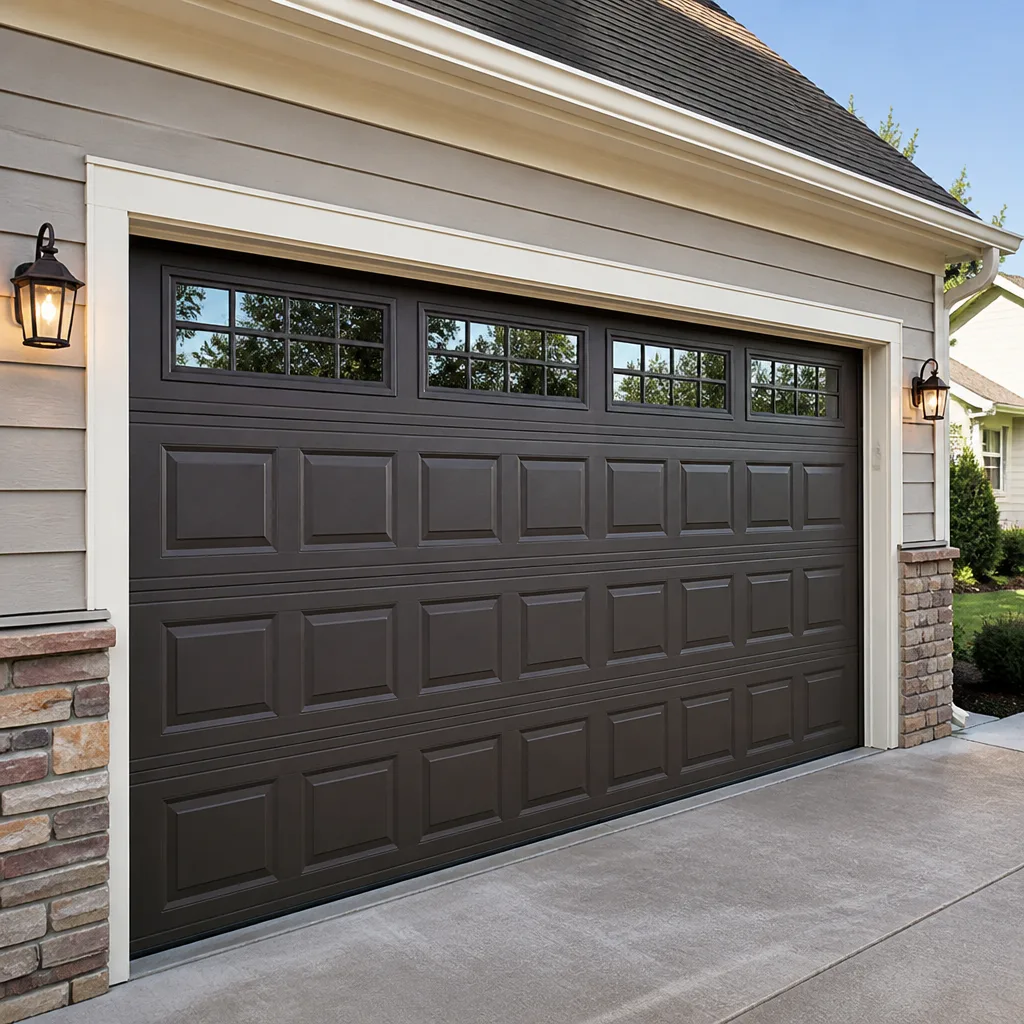 Raised-panel steel
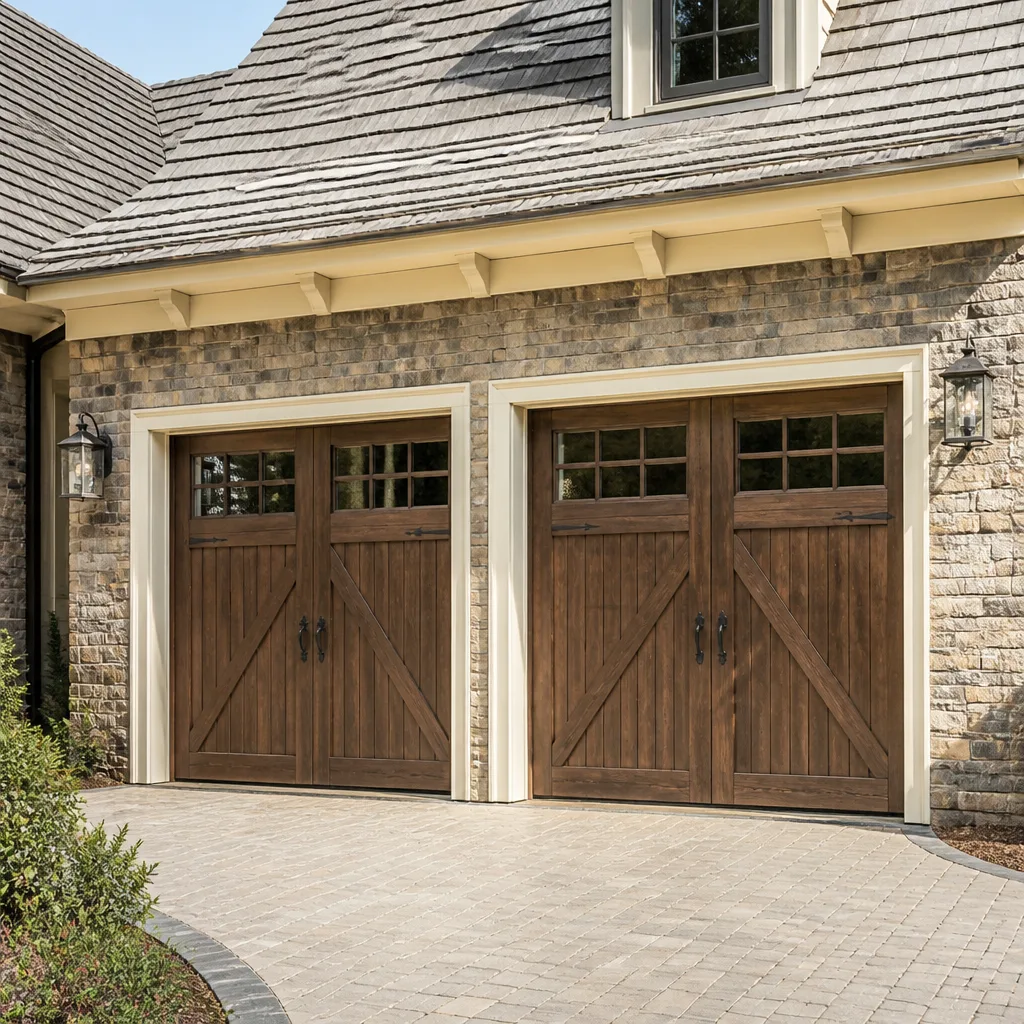 Carriage house
 Modern flush
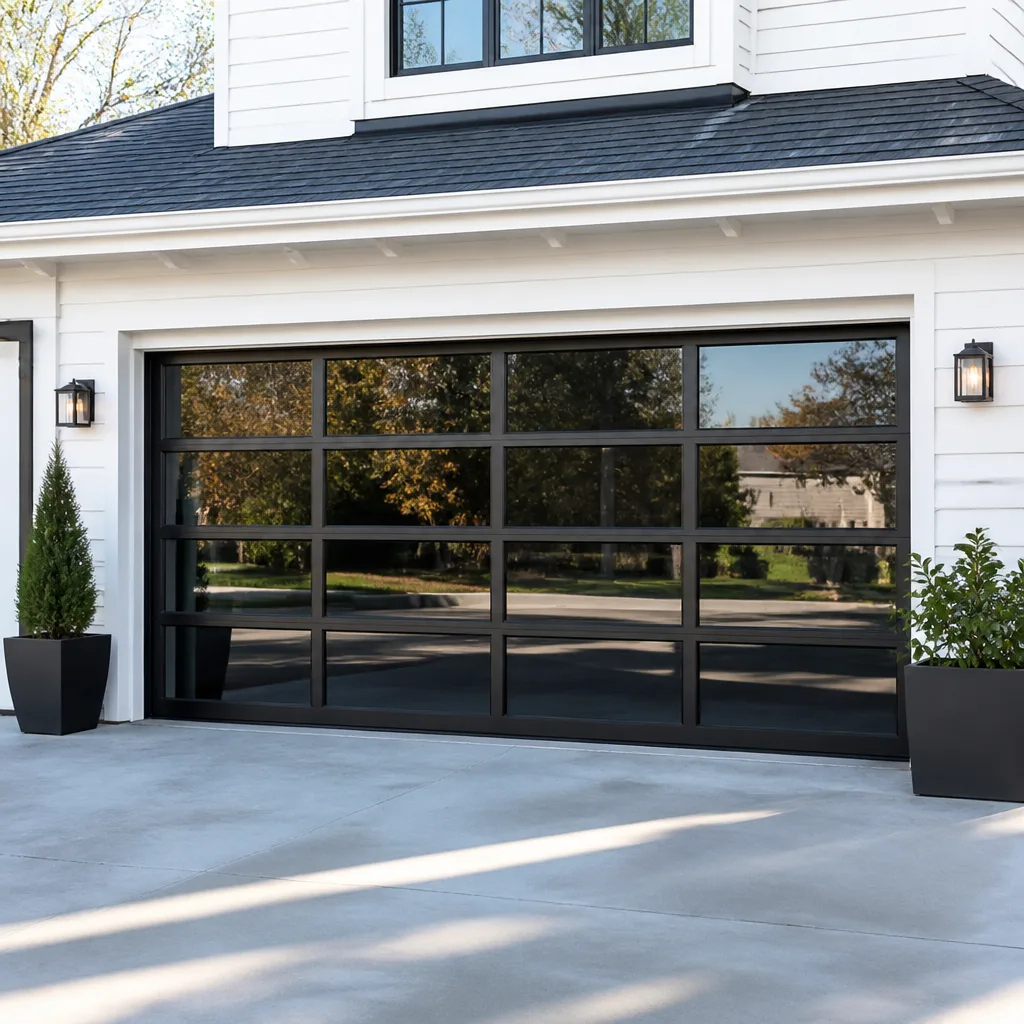 Full-view glass
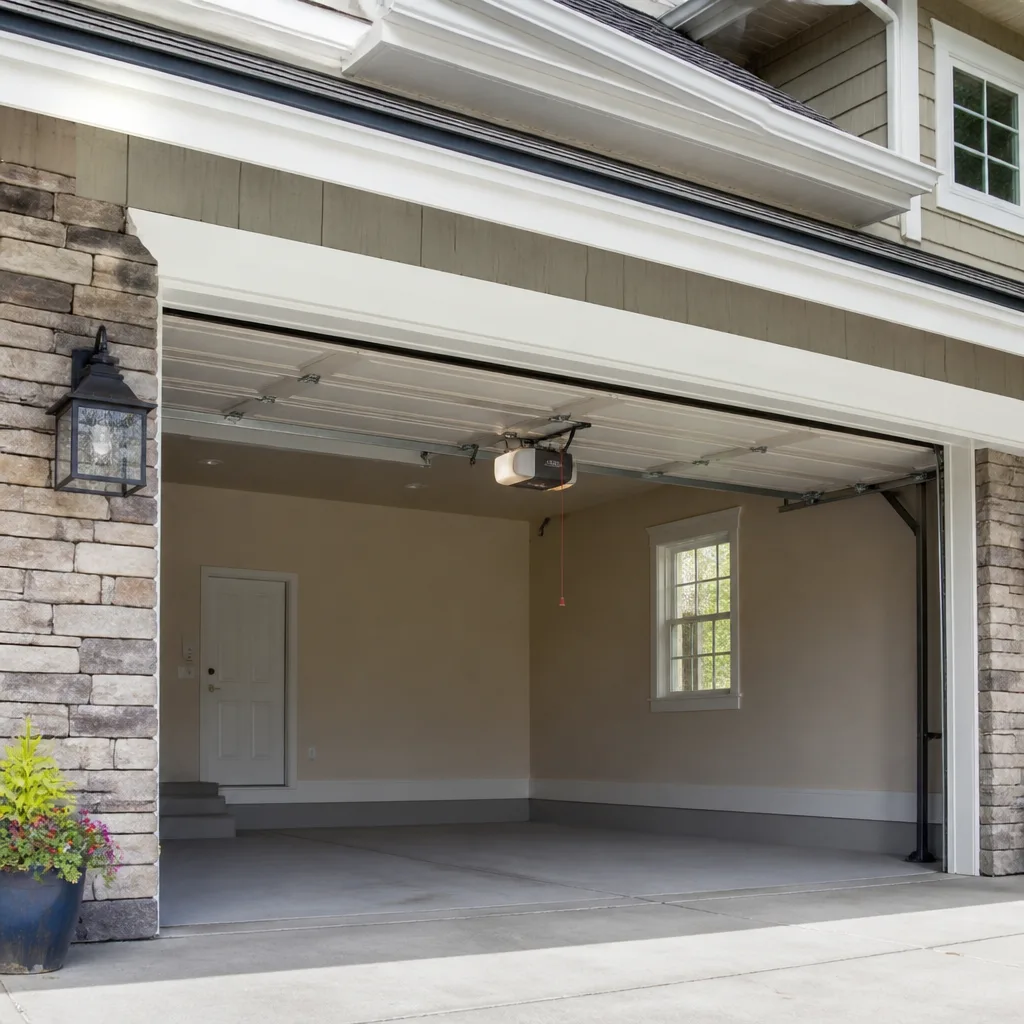 LiftMaster openers
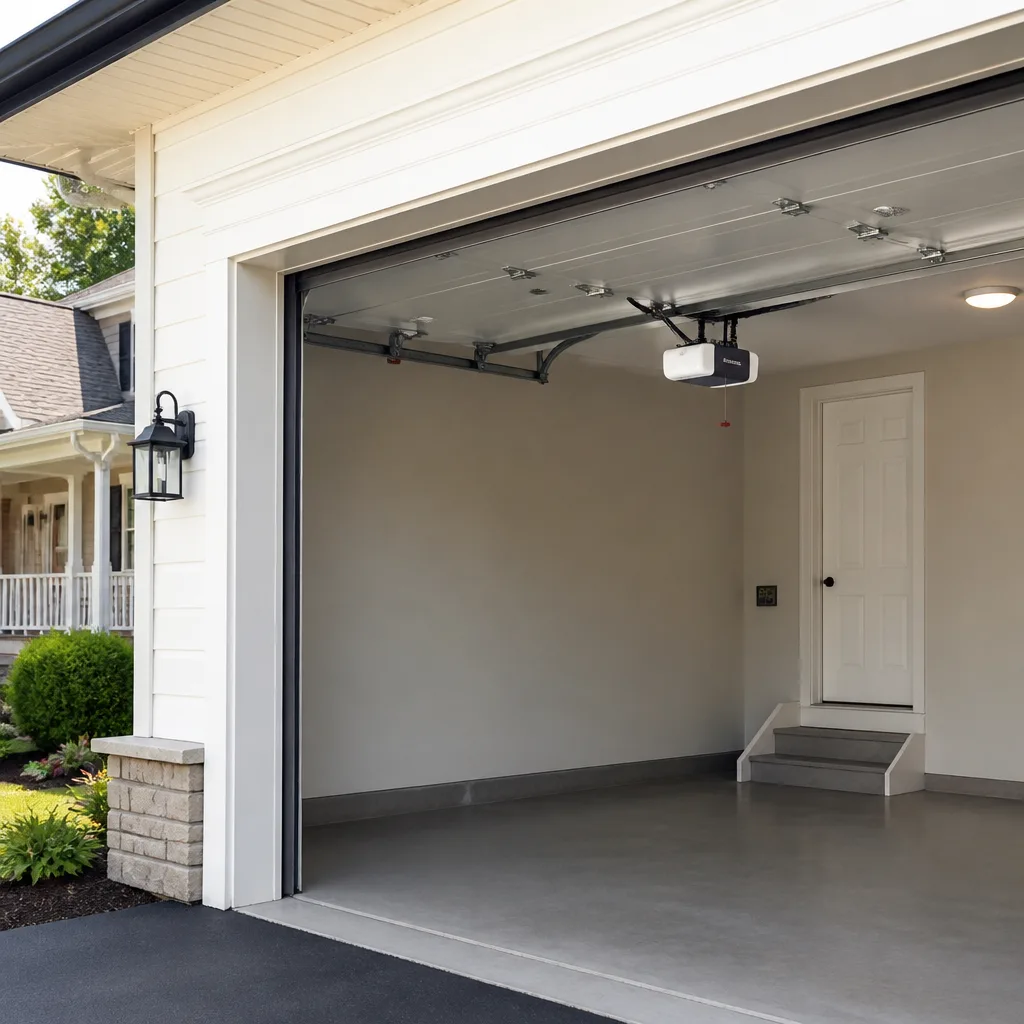 Chamberlain openers
Full 25-point door and opener safety check with every visit - springs, cables, rollers, tracks, and your LiftMaster or Chamberlain opener included
You get a price before we start. It does not change when the pro arrives.
Get your free estimateGarage Door Repair Maintenance Schedule: What to Do and When
Most garage door advice tells you to “maintain your door twice a year” and leaves it there. That’s about as useful as telling someone to “eat better.” The truth is that a garage door is a collection of parts with wildly different lifespans, and each one needs attention on its own clock. The springs that lift a 150-pound door, the nylon rollers that ride the track, the rubber seal that keeps the weather out, and the opener gears that drag it all upward all wear at different rates. Treat them the same and you’ll either waste time on parts that don’t need it or neglect the ones that are quietly failing. This guide lays out a realistic schedule for Sugar Land homeowners, timed to component lifespans and the subtropical climate here, so small wear doesn’t compound into a big repair.
Quick Answer
For most Sugar Land homes, a garage door needs a quick visual and balance check once a month, lubrication and a safety-reversal test every three to four months, and a full hardware inspection (rollers, cables, springs, hinges, weatherstripping) once a year. In our humid, hot climate, the rubber weather seal and the springs should be checked on a shorter cycle than the standard national advice because heat and moisture break them down faster.
Styles & brands we work with
- Raised-panel steel
- Carriage house
- Modern flush
- Full-view glass
- LiftMaster openers
- Chamberlain openers
Table of Contents
- Why a Real Schedule Beats “Twice a Year”
- The Month-by-Month Task Calendar
- How Sugar Land’s Climate Changes the Timeline
- The Balance Test: What It Reveals
- The Reversal Test: A Safety Check Most Homeowners Skip
- Which Lubricant Goes Where (and Why WD-40 Isn’t the Answer)
- Maintenance Findings That Mean “Stop and Call”
- Common Mistakes to Avoid
- When to Call a Professional
- Frequently Asked Questions
Why a Real Schedule Beats “Twice a Year”
A garage door is your home’s largest moving security barrier, and it cycles more than any other piece of equipment in the house. A family that comes and goes a few times a day can put a door through several thousand open-and-close cycles a year. Each cycle works the springs, rolls the rollers, flexes the hinges, and pulls the opener gears. The parts don’t wear evenly, so a single blanket “check it twice a year” instruction tends to miss the specific intervals where a small fix heads off a large one.
Here’s the core idea behind a component-timed schedule: match the task to how fast the part wears. Rollers and hinges collect grit and stiffen quietly over weeks. Lubricant thins out and migrates. Springs lose tension slowly and give you almost no warning before they snap. Weatherstripping cracks in the heat. If you time each check to the actual lifespan of the part, you catch wear while it’s still cheap to correct.
What you’ll learn in the sections below:
- A month-by-month calendar so you know exactly what to do and when
- Why Sugar Land’s humidity and summer heat shorten some intervals
- Two safety tests most homeowners have never run
- Which lubricant belongs on which part, and which products to avoid
- The maintenance findings that mean a repair is already underway
Run the schedule yourself for the simple checks, and bring in a technician for the parts that carry real risk. Our garage door repair work in Sugar Land covers both the routine tune-up and the repair that a tune-up uncovers.
The Month-by-Month Task Calendar
This calendar assumes normal residential use. If your door cycles many times a day (a busy household, a home business with deliveries), shorten the lubrication interval. The timing below is built around how fast each part actually degrades, not arbitrary seasons.
Every Month
- Visual walk-around: Look at the tracks, cables, springs, and rollers. You’re checking for anything obviously loose, frayed, or hanging. Two minutes.
- Listen: Open and close the door once and listen for grinding, squealing, or a bang. A new noise is the earliest and cheapest warning you’ll get.
Every Three Months
- Lubricate moving parts: Rollers, hinges, the torsion spring (a light coat only), and the opener’s rail or screw. This is the task that prevents most roller and hinge replacement.
- Reversal test: The safety check that confirms the door reverses when it meets an obstruction. Details below.
- Wipe and inspect the weather seal: In Sugar Land’s humidity, the bottom seal is a prime candidate for early cracking.
Every Six Months
- Balance test: Disconnect the opener and lift the door halfway to check whether it stays put. A door that drifts means spring tension is off.
- Tighten hardware: Hinges, brackets, and track bolts work loose from vibration. Snug them, but don’t overtighten into stripped threads.
- Check the photo-eye sensors: Confirm both are aligned and the lens is clean of dust and cobwebs.
Once a Year
- Full hardware inspection: Cables for fraying, springs for gaps or rust, rollers for flat spots, hinges for wear.
- Opener service: Check the force settings, the chain or belt tension, and the battery in the wall control or keypad.
- Professional tune-up: Have a technician inspect the parts that carry injury risk, especially the cables and springs, so a developing problem gets caught early. A garage door spring repair caught as wear is far cheaper than one caught as a snap.
How Sugar Land’s Climate Changes the Timeline
Standard national maintenance advice is written for a mild, dry average. Sugar Land doesn’t live in that average. Summers push past 95°F for long stretches, and the humidity sits high most of the year. That combination changes how fast two components in particular wear, and it’s worth adjusting your schedule rather than following generic intervals.
Weatherstripping. The rubber or vinyl seal along the bottom and sides of the door takes a beating from heat and moisture. It dries, cracks, and loses its flexibility faster here than in cooler climates. Once it’s cracked, it stops sealing, which lets humid air and pests in around a door that’s supposed to be your home’s weather barrier. Check it monthly through the hot months and replace it as soon as you see cracks rather than waiting for the annual inspection.
Springs. Heat cycles stress steel. A torsion spring that expands and contracts through a hot Sugar Land summer loses tension a little faster than the same spring in a cooler place. That doesn’t mean springs fail on a schedule you can predict, but it does mean the twice-yearly balance test matters more here, because it’s the only way to feel tension loss before a spring lets go. Listen for the door feeling heavier or the opener working harder.
Lubricant. Heat thins lubricant and humidity pulls grit into it. In Sugar Land, a quarterly lubrication routine holds up better than an annual one, especially if your door faces the afternoon sun on a west-facing wall.
If you’re not sure whether your door’s springs are showing early wear, a free estimate is the easiest way to find out. Call (833) 508-9229. We answer 24/7. Fast dispatch from 7am to 7pm, Sunday through Friday.
The Balance Test: What It Reveals
The balance test tells you whether your springs are still doing their job. When it’s working right, the springs carry most of the door’s weight so the opener only has to guide it. When the springs weaken, the opener starts lifting weight it was never meant to carry, and that extra strain shortens its life. This is a two-person job if your door is heavy, but most homeowners can run it alone with care.
- Close the door and disconnect the opener. Pull the emergency release handle (usually a red cord) so the door is free of the opener’s pull. The door should now move by hand.
- Lift the door to about halfway. Do this slowly and with both hands, standing clear of the door’s path.
- Let go gently and watch. A balanced door stays roughly where you left it. A door that sinks toward the floor has weak springs. A door that rises on its own has springs that are too tight.
- Reconnect the opener. Push the door back to closed and re-engage the release.
A door that drifts by more than a few inches is telling you the springs need attention. Don’t try to adjust spring tension yourself. High-tension torsion springs carry serious injury risk when mishandled, and this is exactly the kind of finding that means it’s time for trained hands. A technician can confirm whether it’s a tension adjustment or a spring that needs replacement, and our team is trained on the spring systems found on Clopay, Amarr, Wayne Dalton, and other major doors throughout Sugar Land.
The Reversal Test: A Safety Check Most Homeowners Skip
The reversal test confirms the door will stop and go back up if something is in its path. It’s the single most important safety check on an automatic door, and it’s the one most homeowners have never run. Every opener made since the early 1990s has this feature built in, usually through a pressure sensor plus the photo-eye sensors near the floor. If either fails, a closing door can keep coming down on a child, a pet, or a car.
- Photo-eye test: With the door open, wave an object (a broom handle, not your hand) through the beam between the two sensors near the floor. The door should refuse to close, or reverse immediately if it’s already closing.
- Pressure test: Place a small object like a roll of paper towels flat on the ground under the closing door. Close the door using the wall control and watch. When the door meets the object, it should reverse within a second or two.
- If it fails either test, stop using the automatic opener until a technician checks it. Disconnect it and operate the door by hand in the meantime.
Repeat this test every three months. In Sugar Land’s humid climate, the sensor lenses collect dust and the wiring connections can loosen, so don’t assume that a door that passed last year still passes today. If your opener is a modern smart system, many models from LiftMaster and Chamberlain (both myQ-enabled) include an app that logs obstructions and alerts you; that’s useful, but it doesn’t replace running the physical test. Our garage door opener repair team services both legacy mechanical openers and smart-home systems, and a tune-up here is a good time to confirm the reversal feature is working correctly.
Which Lubricant Goes Where (and Why WD-40 Isn’t the Answer)
This is where a lot of well-meaning homeowners get it wrong. WD-40 is a solvent and light penetrant, not a lubricant for moving garage door hardware. Spray it on your hinges and rollers and it cleans off the old grease, thins out, and evaporates, leaving the parts drier than before. It’s fine for loosening a rusted bolt; it’s the wrong product for routine door maintenance. Use a purpose-made garage door lubricant or a white lithium grease, and match the product to the part.
What to use where:
- Rollers and hinges: White lithium grease or a silicone-based lubricant. Liquid is fine here; these parts move metal against metal.
- Torsion spring: A light coat of garage door lubricant on the coils only. Don’t over-apply; excess attracts grit.
- Tracks: Nothing liquid. Wipe them clean with a dry cloth or a lightly dampened one. Grease in the tracks traps dirt and can cause the door to bind. If your tracks feel sticky, clean them, don’t lubricate them.
- Opener rail or screw: Follow the manufacturer’s recommendation; belt and chain drives usually want a small amount of grease on the rail, and screw drives want their specific lubricant.
A bottle of the right lubricant costs far less than the parts it protects. The mistake to avoid is grabbing whatever’s under the sink and spraying it on. Four times a year, with the right product, keeps rollers, hinges, and springs moving smoothly and quietly. If a part already feels rough or noisy even after lubrication, that’s a sign it’s worn, not just dry, and it’s worth having it looked at.
Maintenance Findings That Mean “Stop and Call”
A routine check is only useful if you know which findings are routine and which are the early signs of a developing repair. The difference matters. Some wear is normal and can wait for your next scheduled tune-up. Other findings mean a part is already failing and the door should come out of service until it’s fixed.
Stop and call a technician if you see:
- A gap in a torsion spring. A coil spring that’s snapped shows a clear separation between coils. Don’t operate the door; the remaining spring is now under extra load.
- Frayed or kinked cables. Cables carry the door’s weight under tension. Fraying is the precursor to a snap, and a snapping cable can whip with force. Even one broken strand means it’s time to stop.
- A door that hangs crooked. One side dropping lower than the other usually points to a stretched cable or a failing spring on one side. Running the opener while it’s like this strains the whole mechanism.
- Banging or popping when the door moves. A sharp pop is often the sound of a spring failing. Grinding that gets worse could be a worn roller or a bent track.
- Loose, rusted, or bent track sections. Tracks that have bowed or pulled away from the wall need re-alignment, not just tightening.
Routine findings that can wait for your next tune-up:
- Slight squeaking that improves after lubrication
- Hardware that’s loosened but not bent
- Weatherstripping that’s starting to show minor cracking
- A door that needs re-balancing but still reverses and closes fully
Springs and cables are the two parts you should never adjust, cut, or replace yourself. The tension stored in a wound torsion spring is enough to cause serious injury. Our garage door spring repair team handles both torsion and extension springs, and a routine tune-up is exactly the moment to have those parts checked by trained eyes. We work on the brand you already have, including Clopay, Amarr, Wayne Dalton, and Craftsman systems common in Sugar Land homes.
Common Mistakes to Avoid
- Spraying WD-40 on everything. It’s a solvent, not a lubricant for moving hardware. It strips existing grease and leaves parts drier than before, which accelerates roller and hinge wear.
- Greasing the tracks. Dust and grit stick to grease in the tracks, and the door starts to bind. Tracks should be wiped clean, never greased.
- Skipping the reversal test. In Sugar Land, dust and humidity dull the sensor lenses faster than most climates, so a door that passed six months ago can fail today without any obvious change.
- Ignoring a heavier-feeling door. A door that takes more force to lift by hand is signaling spring wear. Waiting for it to snap turns a spring replacement into a door stuck down and a vehicle trapped inside.
- Over-tightening every bolt during a tune-up. Snug is the goal. Overtightening strips the threads in the door panels and the brackets, creating new problems you didn’t have.
- Assuming the annual check covers the springs. Springs need the balance test every six months, not once a year. In Sugar Land’s heat cycles, that interval matters more, not less.
- Letting a stuck door sit for weeks. A door that won’t open is more than an inconvenience. It’s an open security barrier on the largest entry point in most homes, and it usually gets cheaper to fix the sooner it’s looked at.
If a maintenance check turns up any of these, don’t push the opener to its limit to compensate. That wears the opener out faster and can make a spring problem worse. Call and let a technician look at it.
When to Call a Professional
Some of the maintenance schedule is yours to run. The monthly walk-around, the quarterly lubrication, the weather seal check, and the lubrication selection are all safe for a homeowner. Other tasks should always go to a technician: any spring adjustment or replacement, any cable work, any track realignment, and any diagnosis of a door that’s hanging crooked, popping, or failing its reversal test.
We handle the full range, from minor repairs and opener tune-ups to full door installation, and the same company covers a door across its whole life. We’re trained on eight leading brands, so we work on the equipment you already have rather than asking you to replace it to get service. If your door has failed and the house is unsecured or a car is trapped, emergency service is available. Our technicians have up to 15 years of experience, and every price is quoted and agreed before any work starts.
Sugar Land Garage Door Repair Pros offers free estimates in Sugar Land. Call (833) 508-9229. We answer 24/7. Fast dispatch from 7am to 7pm, Sunday through Friday. A call outside dispatch hours is booked into the next opening.
Frequently Asked Questions
Once a year for most homes, sooner if your door cycles many times a day. In Sugar Land’s heat and humidity, the springs and weatherstripping wear faster than in cooler climates, so an annual tune-up with a spring and cable inspection is worth keeping on schedule. Call (833) 508-9229 for a free estimate, and we’ll tell you what your door actually needs.
Lubrication is a good habit, but it isn’t a substitute for a real inspection. It keeps rollers, hinges, and springs moving smoothly, yet it won’t tell you whether a spring has lost tension or a cable is fraying. Those are the parts that cause problems, and they need a trained eye. Call us to book a tune-up if you’re overdue.
Run the balance test: disconnect the opener, lift the door halfway, and let go. If it sinks, the springs are weak. If you see a visible gap in a coil spring, or hear a loud pop when the door moves, the spring has likely failed and the door should not be operated. Spring work carries serious injury risk and belongs with a trained technician. Call (833) 508-9229 for a free estimate and we’ll confirm what’s going on.
Heat thins lubricant, and humidity pulls grit into the moving parts. That combination makes doors noisier in the summer and quietly wears the rollers and hinges faster. Switching to a quarterly lubrication routine in the hot months helps. If the noise doesn’t improve after you lubricate, a worn part is the likely cause.
They check two different systems. The balance test tells you whether the springs are supporting the door’s weight correctly. The reversal test checks whether the safety sensors and pressure sensor stop a closing door on an obstruction. You should run the balance test every six months and the reversal test every three months.
Yes, emergency service is a core part of what we do. A door that won’t open and is holding a vehicle in is the kind of situation we handle as a same-day call. Call (833) 508-9229. We answer 24/7. Fast dispatch from 7am to 7pm, Sunday through Friday.
The Bottom Line
A garage door maintenance schedule works when the tasks are timed to the parts. Do the monthly walk-around, lubricate quarterly, run the reversal test every three months, and the balance test every six months. Go deeper once a year with a full hardware inspection and a professional tune-up. In Sugar Land, shorten the weatherstripping and spring-check intervals, because the heat and humidity push them harder than the generic advice assumes. Skip the WD-40, use the right lubricant for the right part, and treat any popped spring, frayed cable, or crooked door as a stop-and-call finding. The schedule above keeps small wear from compounding. When a check turns up something that needs trained hands, our team is here to help.
Sugar Land Garage Door Repair Pros offers free estimates for Sugar Land homeowners. Call (833) 508-9229 for a free estimate. We answer 24/7. Fast dispatch from 7am to 7pm, Sunday through Friday, and we’re closed Saturday. Every price is quoted and agreed before any work starts.
Written by the team at Sugar Land Garage Door Repair Pros.
See the difference
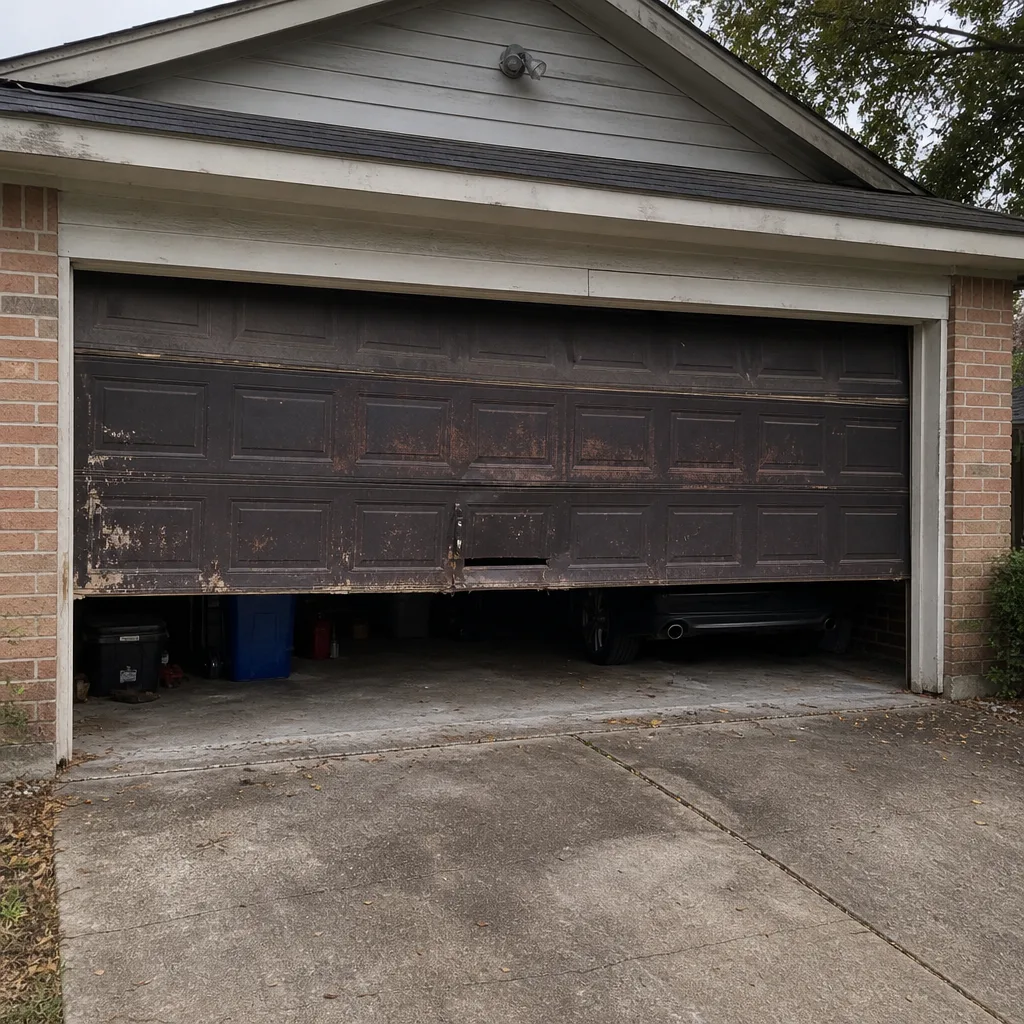
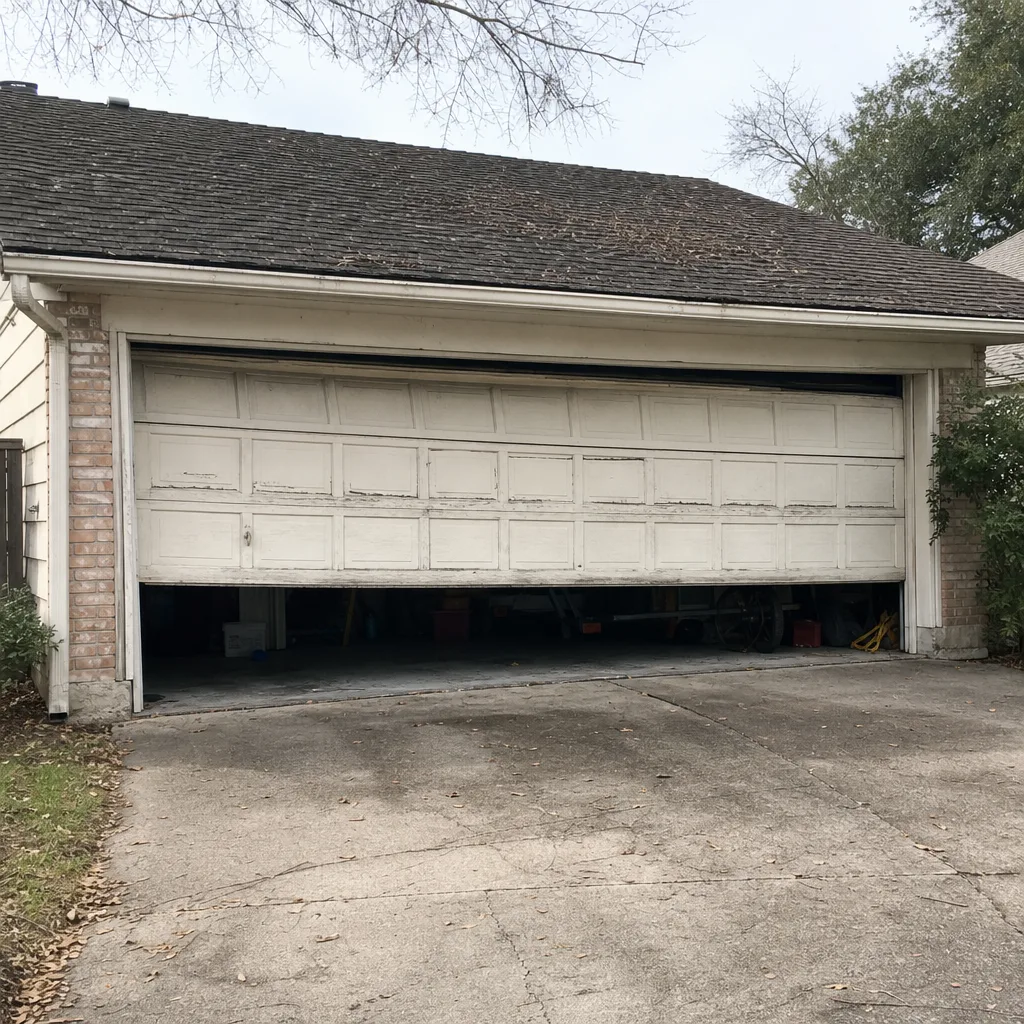 Before
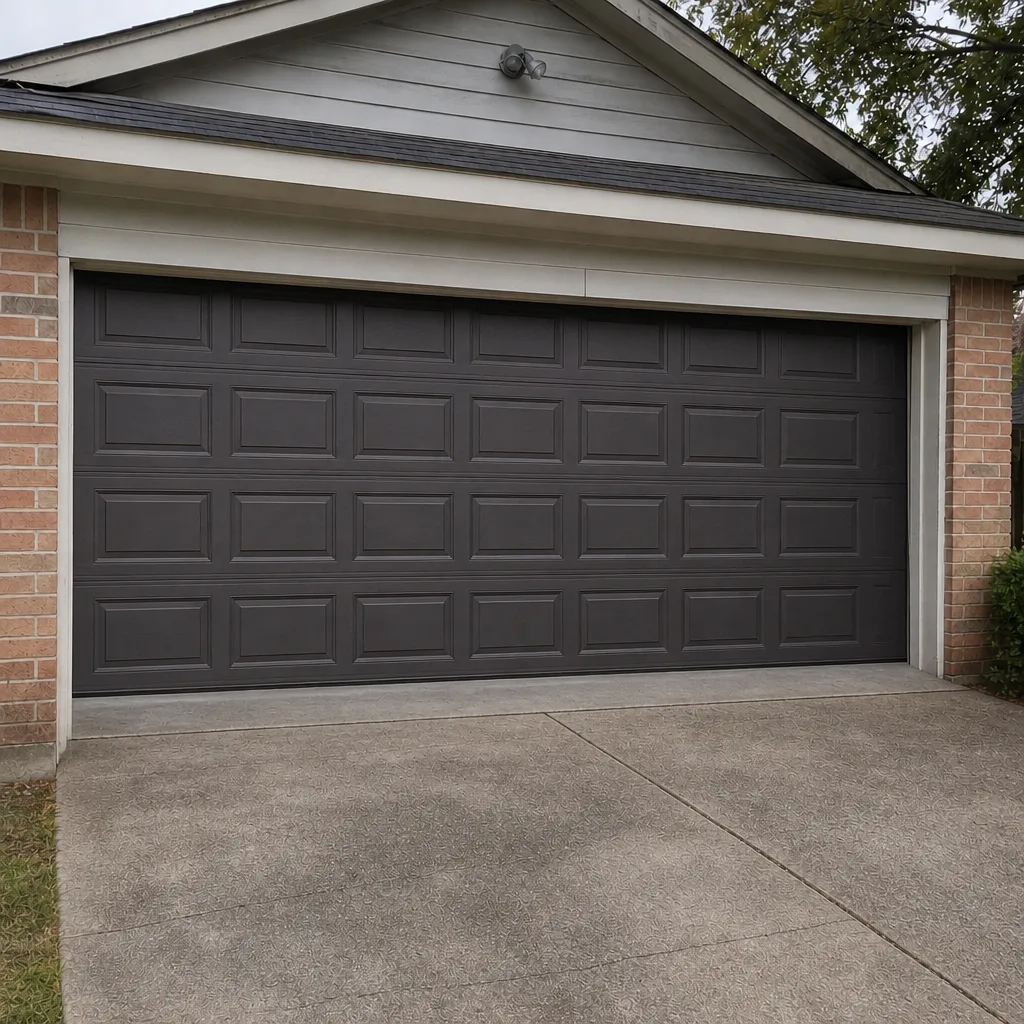
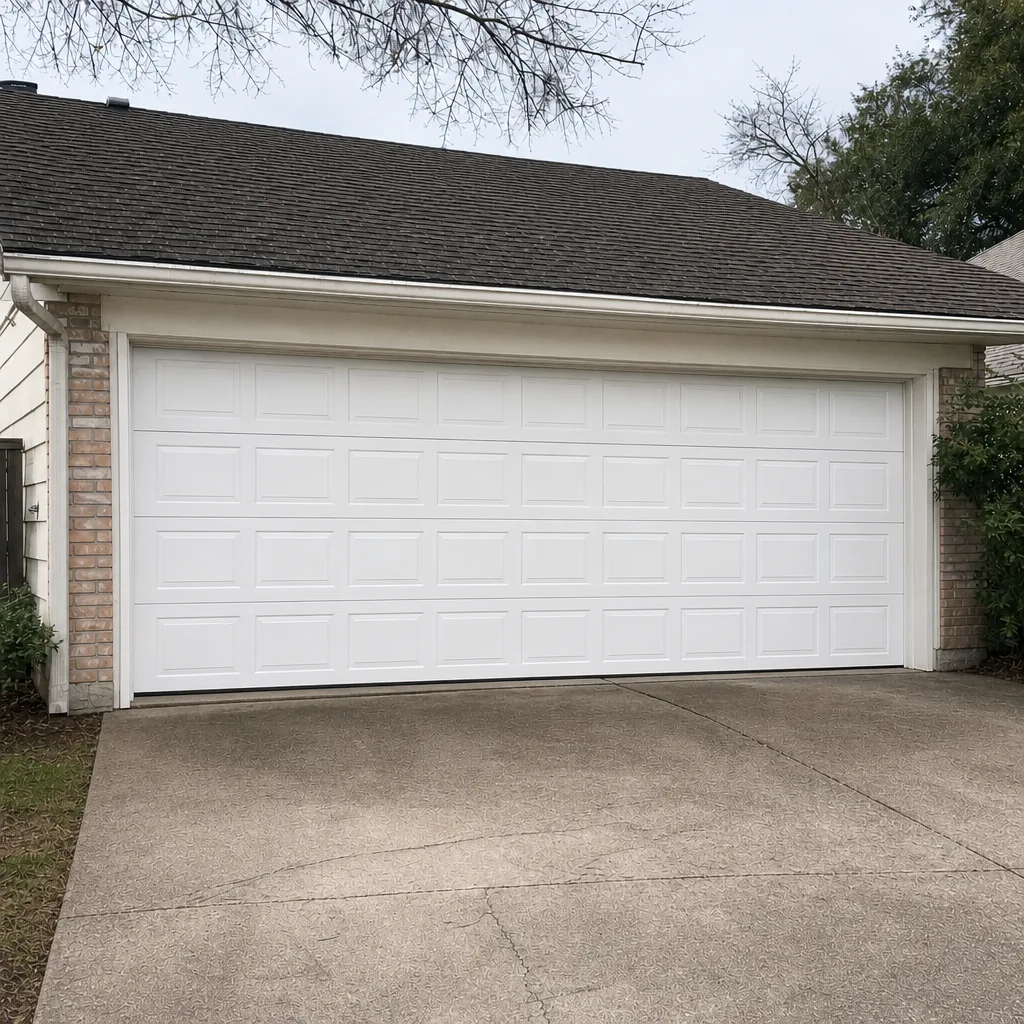 After
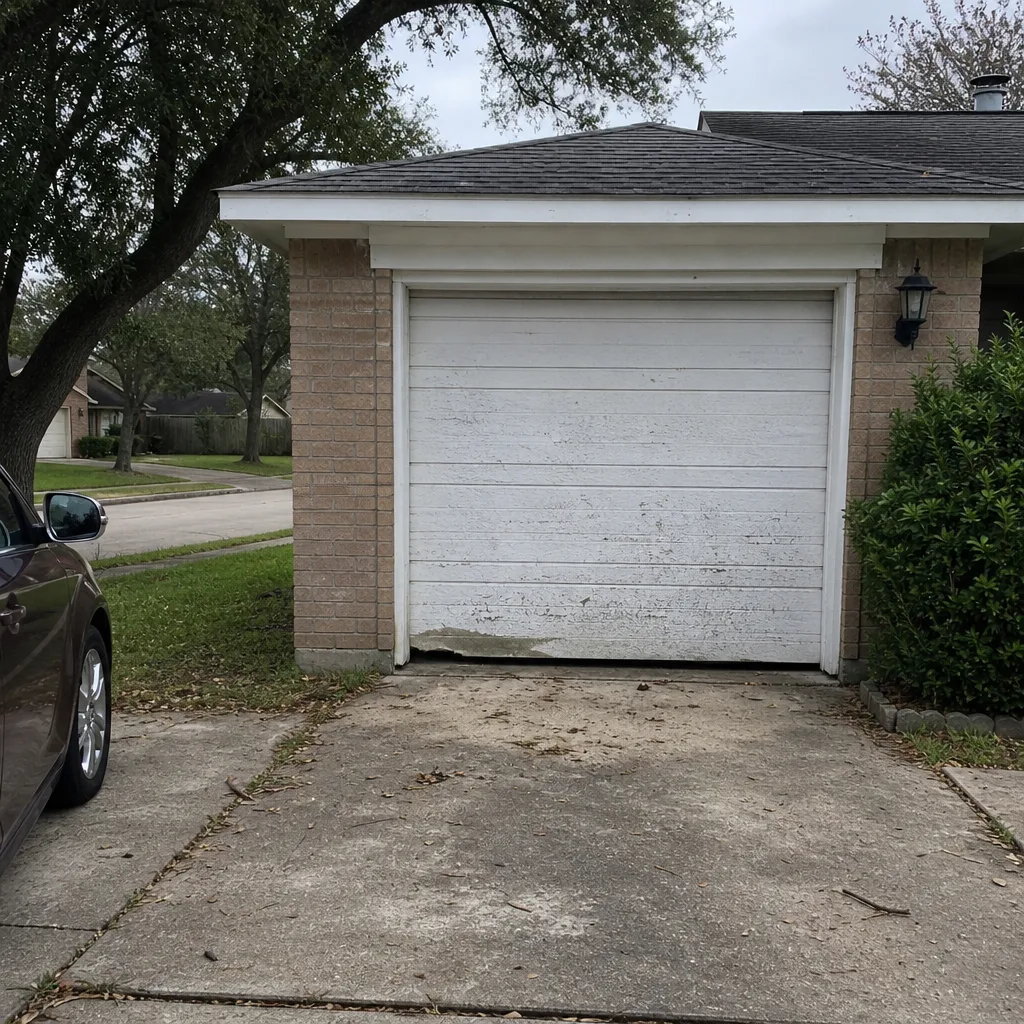 Before
 After
 Before
 After